Well, seeing as we have been asked to blog on an aspect of fairytales that interests us, I've decided to blog about Changelings as they combine two key things in fairy tales- fairies and children.
Fairytales are meant to convey moral messages to their readerships. They are essentially a collection of folklore tales amalgamated from a variety of different sources across Europe. A lot of the now famous tales were very dark when they were composed as they were told mainly to adults, not children. It was only in the Victorian era that fairytales were deemed to be more appropriate for a child audience and their content was tuned down. Interestingly, the sexual nature of fairy tales was reduced, an example of this is in Rapunzel when the witch notices the Prince's visits because Rapunzel's clothes have become tighter (she's pregnant!!) not because Rapunzel remarks that the witch weighs more than the witch.
I think that we now teach fairytales to a child audience, albeit usually via the media of Disney, because in the 21st Century adults cannot suspend their disbelief to the same extent that a child who believes in fairies can. It also provides a great medium for conveying morals to children, learning through storytelling. However, going back in time many people were very superstitious. Back in medieval times it would not be uncommon for people to believe in witches, fairies or ogres- partially because of the lack of travel that people did, they never fully explored their worlds.
How does this all lead me on to Changelings? Well children are a recurrent theme in fairytales, they often play the lead roles and a lot of the strife that occurs in the stories results from children leaving home. Back in t'olden days people would try and explain the disapperances of children as being the work of the fairies. In some circumstances the fairies would take the children without replacing them, this might be used to explain a child disappearance. In other circumstances, the fairies would switch the children with fairy children- hence changelings. Changelings helped to explain things that medical science at the time couldn't, many parents who had children with disabilities both physical and mental believed that their original child had been switched. Unfortunately, the rejection that is also associated with changelings would mean that some parents wouldn't acknowledge the child and would leave it outside untill it died. :(. I'm not sure whether the concept of changelings is derived from people hearing fairytales or vice versa but either way it is a sad, albeit mystical explanation for the feeling of or actually losing a child. Examples in literature of changelings are huge, one famous example is that when Titannia and Oberon are fighting over a human child (which Titannia has presumably switched) in A Midsummer Night's Dream.
I also mentioned that my dad often played a song about fairies taking children last lesson. I knew it was a poem put to music but couldn't remember who wrote the poem, what it was called and who put it to music. The poem/ song is called "The Stolen Child" and was written by W.B. Yeats in 1889 (ok- famous poet, should have known him really). It is based on Irish legend and folklore. The poem was put to music by The Waterboys and here is the video below, enjoy!
Sunday, 5 February 2012

Monday, 30 January 2012
Long Time no Blog
So... I haven't blogged in a while, and Mr Francis wants us to bring in a fairytale to read tomorrow so I thought I'd post my favourite on here. When I was a little girl my favourite fairytale was always Hansel and Gretel, probably because of the edible ginger bread house, so here it is:
Hansel and Gretel
Hard by a great forest dwelt a poor wood-cutter with his wife and his two children. The boy was called Hansel and the girl Gretel. He had little to bite and to break, and once, when great dearth fell on the land, he could no longer procure even daily bread.
Now when he thought over this by night in his bed, and tossed about in his anxiety. He groaned and said to his wife, "What is to become of us? How are we to feed our poor children, when we no longer have anything even for ourselves?"
"I'll tell you what, husband," answered the woman, "early tomorrow morning we will take the children out into the forest to where it is the thickest. There we will light a fire for them, and give each of them one more piece of bread, and then we will go to our work and leave them alone. They will not find the way home again, and we shall be rid of them."
"No, wife," said the man, "I will not do that. How can I bear to leave my children alone in the forest? The wild animals would soon come and tear them to pieces."
"Oh! you fool," said she, "then we must all four die of hunger, you may as well plane the planks for our coffins," and she left him no peace until he consented.
"But I feel very sorry for the poor children, all the same," said the man.
The two children had also not been able to sleep for hunger, and had heard what their step-mother had said to their father. Gretel wept bitter tears, and said to Hansel, "Now all is over with us."
"Be quiet, Gretel," said Hansel, "do not distress yourself, I will soon find a way to help us." And when the old folks had fallen asleep, he got up, put on his little coat, opened the door below, and crept outside.
Now when he thought over this by night in his bed, and tossed about in his anxiety. He groaned and said to his wife, "What is to become of us? How are we to feed our poor children, when we no longer have anything even for ourselves?"
"I'll tell you what, husband," answered the woman, "early tomorrow morning we will take the children out into the forest to where it is the thickest. There we will light a fire for them, and give each of them one more piece of bread, and then we will go to our work and leave them alone. They will not find the way home again, and we shall be rid of them."
"No, wife," said the man, "I will not do that. How can I bear to leave my children alone in the forest? The wild animals would soon come and tear them to pieces."
"Oh! you fool," said she, "then we must all four die of hunger, you may as well plane the planks for our coffins," and she left him no peace until he consented.
"But I feel very sorry for the poor children, all the same," said the man.
The two children had also not been able to sleep for hunger, and had heard what their step-mother had said to their father. Gretel wept bitter tears, and said to Hansel, "Now all is over with us."
"Be quiet, Gretel," said Hansel, "do not distress yourself, I will soon find a way to help us." And when the old folks had fallen asleep, he got up, put on his little coat, opened the door below, and crept outside.
The moon shone brightly, and the white pebbles which lay in front of the house glittered like real silver pennies. Hansel stooped and stuffed the little pocket of his coat with as many as he could get in. Then he went back and said to Gretel, "Be comforted, dear little sister, and sleep in peace, God will not forsake us," and he lay down again in his bed.
When day dawned, but before the sun had risen, the woman came and awoke the two children, saying, "Get up, you sluggards. We are going into the forest to fetch wood." She gave each a little piece of bread, and said, "There is something for your dinner, but do not eat it up before then, for you will get nothing else."
Gretel took the bread under her apron, as Hansel had the pebbles in his pocket. Then they all set out together on the way to the forest.
When they had walked a short time, Hansel stood still and peeped back at the house, and did so again and again. His father said, "Hansel, what are you looking at there and staying behind for? Pay attention, and do not forget how to use your legs."
"Ah, father," said Hansel, "I am looking at my little white cat, which is sitting up on the roof, and wants to say good-bye to me."
The wife said, "Fool, that is not your little cat, that is the morning sun which is shining on the chimneys."
Hansel, however, had not been looking back at the cat, but had been constantly throwing one of the white pebble-stones out of his pocket on the road.
When they had reached the middle of the forest, the father said, "Now, children, pile up some wood, and I will light a fire that you may not be cold."
Hansel and Gretel gathered brushwood together, as high as a little hill. The brushwood was lighted, and when the flames were burning very high, the woman said, "Now, children, lay yourselves down by the fire and rest, we will go into the forest and cut some wood. When we have done, we will come back and fetch you away."
When day dawned, but before the sun had risen, the woman came and awoke the two children, saying, "Get up, you sluggards. We are going into the forest to fetch wood." She gave each a little piece of bread, and said, "There is something for your dinner, but do not eat it up before then, for you will get nothing else."
Gretel took the bread under her apron, as Hansel had the pebbles in his pocket. Then they all set out together on the way to the forest.
When they had walked a short time, Hansel stood still and peeped back at the house, and did so again and again. His father said, "Hansel, what are you looking at there and staying behind for? Pay attention, and do not forget how to use your legs."
"Ah, father," said Hansel, "I am looking at my little white cat, which is sitting up on the roof, and wants to say good-bye to me."
The wife said, "Fool, that is not your little cat, that is the morning sun which is shining on the chimneys."
Hansel, however, had not been looking back at the cat, but had been constantly throwing one of the white pebble-stones out of his pocket on the road.
When they had reached the middle of the forest, the father said, "Now, children, pile up some wood, and I will light a fire that you may not be cold."
Hansel and Gretel gathered brushwood together, as high as a little hill. The brushwood was lighted, and when the flames were burning very high, the woman said, "Now, children, lay yourselves down by the fire and rest, we will go into the forest and cut some wood. When we have done, we will come back and fetch you away."
Hansel and Gretel sat by the fire, and when noon came, each ate a little piece of bread, and as they heard the strokes of the wood-axe they believed that their father was near. It was not the axe, however, but a branch which he had fastened to a withered tree which the wind was blowing backwards and forwards. And as they had been sitting such a long time, their eyes closed with fatigue, and they fell fast asleep.
When at last they awoke, it was already dark night. Gretel began to cry and said, "How are we to get out of the forest now?"
But Hansel comforted her and said, "Just wait a little, until the moon has risen, and then we will soon find the way." And when the full moon had risen, Hansel took his little sister by the hand, and followed the pebbles which shone like newly-coined silver pieces, and showed them the way.
They walked the whole night long, and by break of day came once more to their father's house. They knocked at the door, and when the woman opened it and saw that it was Hansel and Gretel, she said, "You naughty children, why have you slept so long in the forest? We thought you were never coming back at all."
The father, however, rejoiced, for it had cut him to the heart to leave them behind alone.
Not long afterwards, there was once more great dearth throughout the land, and the children heard their mother saying at night to their father:
"Everything is eaten again, we have one half loaf left, and that is the end. The children must go, we will take them farther into the wood, so that they will not find their way out again. There is no other means of saving ourselves."
The man's heart was heavy, and he thought, "It would be better for you to share the last mouthful with your children." The woman, however, would listen to nothing that he had to say, but scolded and reproached him. He who says a must say b, likewise, and as he had yielded the first time, he had to do so a second time also.
When at last they awoke, it was already dark night. Gretel began to cry and said, "How are we to get out of the forest now?"
But Hansel comforted her and said, "Just wait a little, until the moon has risen, and then we will soon find the way." And when the full moon had risen, Hansel took his little sister by the hand, and followed the pebbles which shone like newly-coined silver pieces, and showed them the way.
They walked the whole night long, and by break of day came once more to their father's house. They knocked at the door, and when the woman opened it and saw that it was Hansel and Gretel, she said, "You naughty children, why have you slept so long in the forest? We thought you were never coming back at all."
The father, however, rejoiced, for it had cut him to the heart to leave them behind alone.
Not long afterwards, there was once more great dearth throughout the land, and the children heard their mother saying at night to their father:
"Everything is eaten again, we have one half loaf left, and that is the end. The children must go, we will take them farther into the wood, so that they will not find their way out again. There is no other means of saving ourselves."
The man's heart was heavy, and he thought, "It would be better for you to share the last mouthful with your children." The woman, however, would listen to nothing that he had to say, but scolded and reproached him. He who says a must say b, likewise, and as he had yielded the first time, he had to do so a second time also.
The children, however, were still awake and had heard the conversation. When the old folks were asleep, Hansel again got up, and wanted to go out and pick up pebbles as he had done before, but the woman had locked the door, and Hansel could not get out. Nevertheless he comforted his little sister, and said, "Do not cry, Gretel, go to sleep quietly, the good God will help us."
Early in the morning came the woman, and took the children out of their beds. Their piece of bread was given to them, but it was still smaller than the time before. On the way into the forest Hansel crumbled his in his pocket, and often stood still and threw a morsel on the ground.
"Hansel, why do you stop and look round?" Said the father. "Go on."
"I am looking back at my little pigeon which is sitting on the roof, and wants to say good-bye to me, answered Hansel.
"Fool." Said the woman, "That is not your little pigeon, that is the morning sun that is shining on the chimney."
Hansel, however, little by little, threw all the crumbs on the path. The woman led the children still deeper into the forest, where they had never in their lives been before.
Then a great fire was again made, and the mother said, "Just sit there, you children, and when you are tired you may sleep a little. We are going into the forest to cut wood, and in the evening when we are done, we will come and fetch you away."
When it was noon, Gretel shared her piece of bread with Hansel, who had scattered his by the way. Then they fell asleep and evening passed, but no one came to the poor children.
They did not awake until it was dark night, and Hansel comforted his little sister and said, "Just wait, Gretel, until the moon rises, and then we shall see the crumbs of bread which I have strewn about, they will show us our way home again."
Early in the morning came the woman, and took the children out of their beds. Their piece of bread was given to them, but it was still smaller than the time before. On the way into the forest Hansel crumbled his in his pocket, and often stood still and threw a morsel on the ground.
"Hansel, why do you stop and look round?" Said the father. "Go on."
"I am looking back at my little pigeon which is sitting on the roof, and wants to say good-bye to me, answered Hansel.
"Fool." Said the woman, "That is not your little pigeon, that is the morning sun that is shining on the chimney."
Hansel, however, little by little, threw all the crumbs on the path. The woman led the children still deeper into the forest, where they had never in their lives been before.
Then a great fire was again made, and the mother said, "Just sit there, you children, and when you are tired you may sleep a little. We are going into the forest to cut wood, and in the evening when we are done, we will come and fetch you away."
When it was noon, Gretel shared her piece of bread with Hansel, who had scattered his by the way. Then they fell asleep and evening passed, but no one came to the poor children.
They did not awake until it was dark night, and Hansel comforted his little sister and said, "Just wait, Gretel, until the moon rises, and then we shall see the crumbs of bread which I have strewn about, they will show us our way home again."
When the moon came they set out, but they found no crumbs, for the many thousands of birds which fly about in the woods and fields had picked them all up. Hansel said to Gretel, "We shall soon find the way."
But they did not find it. They walked the whole night and all the next day too from morning till evening, but they did not get out of the forest, and were very hungry, for they had nothing to eat but two or three berries, which grew on the ground. And as they were so weary that their legs would carry them no longer, they lay down beneath a tree and fell asleep.
It was now three mornings since they had left their father's house. They began to walk again, but they always came deeper into the forest, and if help did not come soon, they must die of hunger and weariness. When it was mid-day, they saw a beautiful snow-white bird sitting on a bough, which sang so delightfully that they stood still and listened to it. And when its song was over, it spread its wings and flew away before them, and they followed it until they reached a little house, on the roof of which it alighted. And when they approached the little house they saw that it was built of bread and covered with cakes, but that the windows were of clear sugar.
"We will set to work on that," said Hansel, "and have a good meal. I will eat a bit of the roof, and you Gretel, can eat some of the window, it will taste sweet."
Hansel reached up above, and broke off a little of the roof to try how it tasted, and Gretel leant against the window and nibbled at the panes. Then a soft voice cried from the parlor -
"Nibble, nibble, gnaw
who is nibbling at my little house?"
But they did not find it. They walked the whole night and all the next day too from morning till evening, but they did not get out of the forest, and were very hungry, for they had nothing to eat but two or three berries, which grew on the ground. And as they were so weary that their legs would carry them no longer, they lay down beneath a tree and fell asleep.
It was now three mornings since they had left their father's house. They began to walk again, but they always came deeper into the forest, and if help did not come soon, they must die of hunger and weariness. When it was mid-day, they saw a beautiful snow-white bird sitting on a bough, which sang so delightfully that they stood still and listened to it. And when its song was over, it spread its wings and flew away before them, and they followed it until they reached a little house, on the roof of which it alighted. And when they approached the little house they saw that it was built of bread and covered with cakes, but that the windows were of clear sugar.
"We will set to work on that," said Hansel, "and have a good meal. I will eat a bit of the roof, and you Gretel, can eat some of the window, it will taste sweet."
Hansel reached up above, and broke off a little of the roof to try how it tasted, and Gretel leant against the window and nibbled at the panes. Then a soft voice cried from the parlor -
"Nibble, nibble, gnaw
who is nibbling at my little house?"
The children answered -
"The wind, the wind,
the heaven-born wind,"
and went on eating without disturbing themselves. Hansel, who liked the taste of the roof, tore down a great piece of it, and Gretel pushed out the whole of one round window-pane, sat down, and enjoyed herself with it.
Suddenly the door opened, and a woman as old as the hills, who supported herself on crutches, came creeping out. Hansel and Gretel were so terribly frightened that they let fall what they had in their hands.
The old woman, however, nodded her head, and said, "Oh, you dear children, who has brought you here? Do come in, and stay with me. No harm shall happen to you."
She took them both by the hand, and led them into her little house. Then good food was set before them, milk and pancakes, with sugar, apples, and nuts. Afterwards two pretty little beds were covered with clean white linen, and Hansel and Gretel lay down in them, and thought they were in heaven.
The old woman had only pretended to be so kind. She was in reality a wicked witch, who lay in wait for children, and had only built the little house of bread in order to entice them there. When a child fell into her power, she killed it, cooked and ate it, and that was a feast day with her. Witches have red eyes, and cannot see far, but they have a keen scent like the beasts, and are aware when human beings draw near. When Hansel and Gretel came into her neighborhood, she laughed with malice, and said mockingly, "I have them, they shall not escape me again."
Early in the morning before the children were awake, she was already up, and when she saw both of them sleeping and looking so pretty, with their plump and rosy cheeks, she muttered to herself, that will be a dainty mouthful.
"The wind, the wind,
the heaven-born wind,"
and went on eating without disturbing themselves. Hansel, who liked the taste of the roof, tore down a great piece of it, and Gretel pushed out the whole of one round window-pane, sat down, and enjoyed herself with it.
Suddenly the door opened, and a woman as old as the hills, who supported herself on crutches, came creeping out. Hansel and Gretel were so terribly frightened that they let fall what they had in their hands.
The old woman, however, nodded her head, and said, "Oh, you dear children, who has brought you here? Do come in, and stay with me. No harm shall happen to you."
She took them both by the hand, and led them into her little house. Then good food was set before them, milk and pancakes, with sugar, apples, and nuts. Afterwards two pretty little beds were covered with clean white linen, and Hansel and Gretel lay down in them, and thought they were in heaven.
The old woman had only pretended to be so kind. She was in reality a wicked witch, who lay in wait for children, and had only built the little house of bread in order to entice them there. When a child fell into her power, she killed it, cooked and ate it, and that was a feast day with her. Witches have red eyes, and cannot see far, but they have a keen scent like the beasts, and are aware when human beings draw near. When Hansel and Gretel came into her neighborhood, she laughed with malice, and said mockingly, "I have them, they shall not escape me again."
Early in the morning before the children were awake, she was already up, and when she saw both of them sleeping and looking so pretty, with their plump and rosy cheeks, she muttered to herself, that will be a dainty mouthful.
Then she seized Hansel with her shrivelled hand, carried him into a little stable, and locked him in behind a grated door. Scream as he might, it would not help him. Then she went to Gretel, shook her till she awoke, and cried, "Get up, lazy thing, fetch some water, and cook something good for your brother, he is in the stable outside, and is to be made fat. When he is fat, I will eat him."
Gretel began to weep bitterly, but it was all in vain, for she was forced to do what the wicked witch commanded. And now the best food was cooked for poor Hansel, but Gretel got nothing but crab-shells. Every morning the woman crept to the little stable, and cried, "Hansel, stretch out your finger that I may feel if you will soon be fat."
Hansel, however, stretched out a little bone to her, and the old woman, who had dim eyes, could not see it, and thought it was Hansel's finger, and was astonished that there was no way of fattening him.
When four weeks had gone by, and Hansel still remained thin, she was seized with impatience and would not wait any longer.
"Now, then, Gretel," she cried to the girl, "stir yourself, and bring some water. Let Hansel be fat or lean, to-morrow I will kill him, and cook him."
Ah, how the poor little sister did lament when she had to fetch the water, and how her tears did flow down her cheeks. "Dear God, do help us," she cried. "If the wild beasts in the forest had but devoured us, we should at any rate have died together."
"Just keep your noise to yourself," said the old woman, "it won't help you at all."
Early in the morning, Gretel had to go out and hang up the cauldron with the water, and light the fire.
Gretel began to weep bitterly, but it was all in vain, for she was forced to do what the wicked witch commanded. And now the best food was cooked for poor Hansel, but Gretel got nothing but crab-shells. Every morning the woman crept to the little stable, and cried, "Hansel, stretch out your finger that I may feel if you will soon be fat."
Hansel, however, stretched out a little bone to her, and the old woman, who had dim eyes, could not see it, and thought it was Hansel's finger, and was astonished that there was no way of fattening him.
When four weeks had gone by, and Hansel still remained thin, she was seized with impatience and would not wait any longer.
"Now, then, Gretel," she cried to the girl, "stir yourself, and bring some water. Let Hansel be fat or lean, to-morrow I will kill him, and cook him."
Ah, how the poor little sister did lament when she had to fetch the water, and how her tears did flow down her cheeks. "Dear God, do help us," she cried. "If the wild beasts in the forest had but devoured us, we should at any rate have died together."
"Just keep your noise to yourself," said the old woman, "it won't help you at all."
Early in the morning, Gretel had to go out and hang up the cauldron with the water, and light the fire.
"We will bake first," said the old woman, "I have already heated the oven, and kneaded the dough." She pushed poor Gretel out to the oven, from which flames of fire were already darting. "Creep in," said the witch, "and see if it properly heated, so that we can put the bread in." And once Gretel was inside, she intended to shut the oven and let her bake in it, and then she would eat her, too.
But Gretel saw what she had in mind, and said, "I do not know how I am to do it. How do I get in?"
"Silly goose," said the old woman, "the door is big enough. Just look, I can get in myself." And she crept up and thrust her head into the oven.
Then Gretel gave her a push that drove her far into it, and shut the iron door, and fastened the bolt. Oh. Then she began to howl quite horribly, but Gretel ran away, and the godless witch was miserably burnt to death. Gretel, however, ran like lightning to Hansel, opened his little stable, and cried, "Hansel, we are saved. The old witch is dead."
Then Hansel sprang like a bird from its cage when the door is opened. How they did rejoice and embrace each other, and dance about and kiss each other. And as they had no longer any need to fear her, they went into the witch's house, and in every corner there stood chests full of pearls and jewels.
"These are far better than pebbles." Said Hansel, and thrust into his pockets whatever could be got in.
And Gretel said, "I, too, will take something home with me," and filled her pinafore full.
"But now we must be off," said Hansel, "that we may get out of the witch's forest."
When they had walked for two hours, they came to a great stretch of water.
But Gretel saw what she had in mind, and said, "I do not know how I am to do it. How do I get in?"
"Silly goose," said the old woman, "the door is big enough. Just look, I can get in myself." And she crept up and thrust her head into the oven.
Then Gretel gave her a push that drove her far into it, and shut the iron door, and fastened the bolt. Oh. Then she began to howl quite horribly, but Gretel ran away, and the godless witch was miserably burnt to death. Gretel, however, ran like lightning to Hansel, opened his little stable, and cried, "Hansel, we are saved. The old witch is dead."
Then Hansel sprang like a bird from its cage when the door is opened. How they did rejoice and embrace each other, and dance about and kiss each other. And as they had no longer any need to fear her, they went into the witch's house, and in every corner there stood chests full of pearls and jewels.
"These are far better than pebbles." Said Hansel, and thrust into his pockets whatever could be got in.
And Gretel said, "I, too, will take something home with me," and filled her pinafore full.
"But now we must be off," said Hansel, "that we may get out of the witch's forest."
When they had walked for two hours, they came to a great stretch of water.
"We cannot cross," said Hansel, "I see no foot-plank, and no bridge.
"And there is also no ferry," answered Gretel, "but a white duck is swimming there. If I ask her, she will help us over." Then she cried -
"Little duck, little duck, dost thou see,
Hansel and Gretel are waiting for thee.
There's never a plank, or bridge in sight,
take us across on thy back so white."
The duck came to them, and Hansel seated himself on its back, and told his sister to sit by him.
"No," replied Gretel, "that will be too heavy for the little duck. She shall take us across, one after the other."
The good little duck did so, and when they were once safely across and had walked for a short time, the forest seemed to be more and more familiar to them, and at length they saw from afar their father's house. Then they began to run, rushed into the parlor, and threw themselves round their father's neck. The man had not known one happy hour since he had left the children in the forest. The woman, however, was dead. Gretel emptied her pinafore until pearls and precious stones ran about the room, and Hansel threw one handful after another out of his pocket to add to them. Then all anxiety was at an end, and they lived together in perfect happiness.
My tale is done, there runs a mouse, whosoever catches it, may make himself a big fur cap out of it.
"And there is also no ferry," answered Gretel, "but a white duck is swimming there. If I ask her, she will help us over." Then she cried -
"Little duck, little duck, dost thou see,
Hansel and Gretel are waiting for thee.
There's never a plank, or bridge in sight,
take us across on thy back so white."
The duck came to them, and Hansel seated himself on its back, and told his sister to sit by him.
"No," replied Gretel, "that will be too heavy for the little duck. She shall take us across, one after the other."
The good little duck did so, and when they were once safely across and had walked for a short time, the forest seemed to be more and more familiar to them, and at length they saw from afar their father's house. Then they began to run, rushed into the parlor, and threw themselves round their father's neck. The man had not known one happy hour since he had left the children in the forest. The woman, however, was dead. Gretel emptied her pinafore until pearls and precious stones ran about the room, and Hansel threw one handful after another out of his pocket to add to them. Then all anxiety was at an end, and they lived together in perfect happiness.
My tale is done, there runs a mouse, whosoever catches it, may make himself a big fur cap out of it.
Thursday, 15 December 2011
Chapters 10 & 11
Chapter 10 & 11 are really focused on the decline of Lucy untill her eventual death at the end of Chapter 11. We see Van Helsing taking command of the situation in chapter 10, he talks in parabels to Dr. Seward and his vague riddles, "...knowledge is stronger than memory" leave us with a christ like impression of the good Dr Van Helsing. This is perhaps a device used by Stoker to highlight the Godly capacities of his hero. He deliberately describes Dracula as the anti-Christ and equally he needs a 'Christ like' good character to be able to defeat the evil one. Furthermore, one could suggest that the name of Dr Van Helsing- Abraham- is linked to the character having a patriarchal religious role. Van Helsing is the character that all others turn to in their time of need, specifically Lucy in chapters 10 and 11, showing that he is a father like figure in the novel. Abraham was the founding father of all 3 major monotheistic relgions (Christianity, Judaism and Islam) and as such it is a fitting name for Van Helsing as it may symbolise Stoker's intentions for the character. On the other hand, Stoker could just be being very vain by giving the novel's hero his own name.
Blood, again is the focus in these chapters. There is the blood transfusions that Dr Seward and Van Helsing give to Lucy. Given the religious focus in 'Dracula' one could compare the giving of blood in the trasfusions to the Eucharist, drinking the blood of Christ through the medium of wine. I believe the point of the Eucharist is to remind us that Christ died for us and our salvation and to save us from our sins, the transfusion given to Lucy is indeed saving her (albeit temporarily) from her fate as a bride of Dracula. Furthermore, just as Christ gave his blood Dracula takes blood and this can be seen as another method of highlighting that the character of Dracula is the evil anti-Christ. There is also the scene in which Renfield starts licking Seward's blood off of the floor in his cell after he has attacked the Dr. He proclaims, "The blood is the life! The blood is the life!" Renfield is almost Vampiric in this chapter and this adds a new, more evil dimension to his madness.
Finally we have the newspaper interview with a zoo keeper following the escape of a wolf, "Bersicker". This is rather strange as Mr. Bilder describes seeing a figure who is obviously Drac, "a tall, thin chap, with a 'ook nose and a pointed beard" talking to Bersicker and presumably lets him out. YET, Drac can change shape himself so why he would need to release Bersicker is confusing. It could be that in order to change shape he has to do something to the animal/human/thing to become it. Weird anyhow- perhaps Mr F can explain this to me. :)
Blood, again is the focus in these chapters. There is the blood transfusions that Dr Seward and Van Helsing give to Lucy. Given the religious focus in 'Dracula' one could compare the giving of blood in the trasfusions to the Eucharist, drinking the blood of Christ through the medium of wine. I believe the point of the Eucharist is to remind us that Christ died for us and our salvation and to save us from our sins, the transfusion given to Lucy is indeed saving her (albeit temporarily) from her fate as a bride of Dracula. Furthermore, just as Christ gave his blood Dracula takes blood and this can be seen as another method of highlighting that the character of Dracula is the evil anti-Christ. There is also the scene in which Renfield starts licking Seward's blood off of the floor in his cell after he has attacked the Dr. He proclaims, "The blood is the life! The blood is the life!" Renfield is almost Vampiric in this chapter and this adds a new, more evil dimension to his madness.
Finally we have the newspaper interview with a zoo keeper following the escape of a wolf, "Bersicker". This is rather strange as Mr. Bilder describes seeing a figure who is obviously Drac, "a tall, thin chap, with a 'ook nose and a pointed beard" talking to Bersicker and presumably lets him out. YET, Drac can change shape himself so why he would need to release Bersicker is confusing. It could be that in order to change shape he has to do something to the animal/human/thing to become it. Weird anyhow- perhaps Mr F can explain this to me. :)
Thursday, 8 December 2011
Chapter 8 Women & Marriage
Sooo, I realise I should have done this like last week but luckily Mr Francis didn't decide to pick on my blog then so it's all good.
It seems ages since we read chapter 8 and just flicking back over my notes and the other blog posts there's quite a lot to talk about.
Firstly there is the whole Mina is a 'Madonna' thing. She is portrayed as being a virtuous lady by acknowledging her obligations (even to her diary), ".... I have made my diary a duty" and aslo through the mothering care that she gives to Lucy after she has gone sleepwalking up to the abbey. This can be seen through the way she dresses her in a motherly fashion, " I fastened her shall at her throat" as well as through the description that she gives to Lucy's passiveness once Mina wakes her, "I told her to come at once with me home she rose without a word, with the obediance of a child". Furthermore, Mina looks after her friend by trying to protect her reputation from the scandal that would emerge if it were to be discovered that she had gone outside in her nightdress. Mina's concern about her own feet being on show, "I daubed my feet with mud" also show her strict ideas about Victorian virtue. So Mina's motherlike qualities and virtues make her the archetypal Madonna of the story. Sterotypical or what? I personally think that Stoker has made Mina's character too one dimensional so that I think any real woman either Victorian or modern would have difficulty relating to her character. What really infuriates me about Stoker's portrayal of Mina is the way he uses her to bad mouth feminist 'new women' in Dracula. Mina is in essensce a piece of propaganda used by Stoker to show to the world his own views about women and how they should act and be seen to act. I honestly don't think he writes her very well because she is merely a tool and not a developed character in her own right.
The second BIG thing in chapter 8 is the whole Drac and Lucy 'rape' marriage going on. It has been suggested by members of the class that wedding imagery is used to describe the scene at the Abbey, where Mina disturbs Dracula drinking the blood of Lucy. Evidence includes, "something dark stood behind the seat where the white figure shone" and "something, long and black, bending over the half-reclining white figure". It is as if by taking her blood Dracula is marrying Lucy by taking something precious from her, perhaps the blood drinking is a symbol for the taking of virginity/ rape? This can be backed up by the imagery used by Stoker on page 102, "on the band of her nightdress was a drop of blood" to evoke an image of unclean bed sheets after the wedding night. All of this personally reminds me of the times that men who raped women were forced to marry them as punishment. Furthermore, I hate to go back to Freud but his symbolism could be used in regard to the 'penetration' of the fangs on the throat for... well it's pretty self explanatory really. What irritates me about the rape marriage is that Lucy is portrayed badly, almost 'whore' like. Mina frets about Lucy's reputation, like it was actually her fault for sleepwalking out of the house in her nightdress. Silly judgmental Victorians.
End Note: Finished the book now, overall I thought it was pretty good but the ending was just so quick!
It seems ages since we read chapter 8 and just flicking back over my notes and the other blog posts there's quite a lot to talk about.
Firstly there is the whole Mina is a 'Madonna' thing. She is portrayed as being a virtuous lady by acknowledging her obligations (even to her diary), ".... I have made my diary a duty" and aslo through the mothering care that she gives to Lucy after she has gone sleepwalking up to the abbey. This can be seen through the way she dresses her in a motherly fashion, " I fastened her shall at her throat" as well as through the description that she gives to Lucy's passiveness once Mina wakes her, "I told her to come at once with me home she rose without a word, with the obediance of a child". Furthermore, Mina looks after her friend by trying to protect her reputation from the scandal that would emerge if it were to be discovered that she had gone outside in her nightdress. Mina's concern about her own feet being on show, "I daubed my feet with mud" also show her strict ideas about Victorian virtue. So Mina's motherlike qualities and virtues make her the archetypal Madonna of the story. Sterotypical or what? I personally think that Stoker has made Mina's character too one dimensional so that I think any real woman either Victorian or modern would have difficulty relating to her character. What really infuriates me about Stoker's portrayal of Mina is the way he uses her to bad mouth feminist 'new women' in Dracula. Mina is in essensce a piece of propaganda used by Stoker to show to the world his own views about women and how they should act and be seen to act. I honestly don't think he writes her very well because she is merely a tool and not a developed character in her own right.
The second BIG thing in chapter 8 is the whole Drac and Lucy 'rape' marriage going on. It has been suggested by members of the class that wedding imagery is used to describe the scene at the Abbey, where Mina disturbs Dracula drinking the blood of Lucy. Evidence includes, "something dark stood behind the seat where the white figure shone" and "something, long and black, bending over the half-reclining white figure". It is as if by taking her blood Dracula is marrying Lucy by taking something precious from her, perhaps the blood drinking is a symbol for the taking of virginity/ rape? This can be backed up by the imagery used by Stoker on page 102, "on the band of her nightdress was a drop of blood" to evoke an image of unclean bed sheets after the wedding night. All of this personally reminds me of the times that men who raped women were forced to marry them as punishment. Furthermore, I hate to go back to Freud but his symbolism could be used in regard to the 'penetration' of the fangs on the throat for... well it's pretty self explanatory really. What irritates me about the rape marriage is that Lucy is portrayed badly, almost 'whore' like. Mina frets about Lucy's reputation, like it was actually her fault for sleepwalking out of the house in her nightdress. Silly judgmental Victorians.
End Note: Finished the book now, overall I thought it was pretty good but the ending was just so quick!
Saturday, 26 November 2011
Why is the whole of 'Dracula' written in journals and letters?
Right, I'm basically just going to copy out what I wrote down in class on Tuesday...
One of the reasons why the text is written in journals and leters is to try and put across the idea of versimilitude, that the text itself is real. We know that Bram Stoker wanted Dracula to seem like a true story as he writes a foreword saying, "All needless matters have been eliminated, so that a history almost at variance with the possibilities of latter-day belief may stand as simple fact." Making the story seem real, is key to the novel as the reader must be forced to suspend their disbelief, through an appearance of non-fiction, "12 May- Let mebegin with the fact", so as to enjoy the text and the supernatural content that it covers, "...thus using every projection and inequality move downwards with considerable speed". Dracula is a book about Vampires so Bram Stoker had to persuade his aidience to distrust their Victorian sensibilities in order for them to fully engage with the text. The letters and diary entries that Soker uses are the mechanisms that they could have related to and trusted.
I would write a little more about how the form of the text uses diary entries and letters to give a sense of privacy (and also invasion of privacy by the audience being party to these personal documents) HOWEVER Ronnie currently has my copy of Dracula. I leant it to her out of the kindness of my heart when she no-showed on Tuesday and it's yet to be returned. Disgraceful behaviour I know. But the sum of her actions basically are I can't reference the text as I haven't got a clue how to get the kindle version back to chapter 5 without losing my current place soo... that will have to wait for another time.
Toodles.
One of the reasons why the text is written in journals and leters is to try and put across the idea of versimilitude, that the text itself is real. We know that Bram Stoker wanted Dracula to seem like a true story as he writes a foreword saying, "All needless matters have been eliminated, so that a history almost at variance with the possibilities of latter-day belief may stand as simple fact." Making the story seem real, is key to the novel as the reader must be forced to suspend their disbelief, through an appearance of non-fiction, "12 May- Let mebegin with the fact", so as to enjoy the text and the supernatural content that it covers, "...thus using every projection and inequality move downwards with considerable speed". Dracula is a book about Vampires so Bram Stoker had to persuade his aidience to distrust their Victorian sensibilities in order for them to fully engage with the text. The letters and diary entries that Soker uses are the mechanisms that they could have related to and trusted.
I would write a little more about how the form of the text uses diary entries and letters to give a sense of privacy (and also invasion of privacy by the audience being party to these personal documents) HOWEVER Ronnie currently has my copy of Dracula. I leant it to her out of the kindness of my heart when she no-showed on Tuesday and it's yet to be returned. Disgraceful behaviour I know. But the sum of her actions basically are I can't reference the text as I haven't got a clue how to get the kindle version back to chapter 5 without losing my current place soo... that will have to wait for another time.
Toodles.
Monday, 21 November 2011
Dracula, Dreams and Sex-Freud what have you done? 17/11/2011
So basically, we've been asked to blog on Freudian symbolism in dreams in Chapter 3 in Dracula. Can I just start by saying, I completely don't buy any of Freud's analysis myself. He strikes me as a man who was completely and utterly obsessed with sex but he takes his obsession to the point where literally everything in the ENTIRE WORLD is reducable to sexual objects and actions. This is just absurd/ridiculous/nonsensical/stupid etc. etc.
I guess the key point is, however, that Bram Stoker would undoubtedly have heard about the raving lunatic that was Freud so he may have allowed the theory to influence the way he presented the dream sequences throughout the book and the descriptions that he gives.
Here's a revision orientated list of things in CHAPTER 3 that may be linked to Freudian symbolism:
I guess the key point is, however, that Bram Stoker would undoubtedly have heard about the raving lunatic that was Freud so he may have allowed the theory to influence the way he presented the dream sequences throughout the book and the descriptions that he gives.
Here's a revision orientated list of things in CHAPTER 3 that may be linked to Freudian symbolism:
- "The castle","the valleys and gorges" (p.37)- female genitalia
- "I behaved much like a rat does in a trap" (p.30)- mechanism of the trap male genitalia
- Compares the Count to a lizard, "just as a lizard moves along a wall", "the Count go out in his lizard fashion"(p.38)- reptiles are, again, male genitalia
- Describes the count climbing down the castle, "thus using every projection and inequality move downwards with considerable speed" (p.38)- climbing (and I would assume descending) are Freudian symbols of the act itself.
- Jonathan being trapped in his room, with all the doors (female genitalia) locked, "They were all locked as I had expected" (p.38)- the lack of "key" is made an issue and I reckon a key fits a description of what normal object has to look like to be reduced to male genitalia.
- "passages"- (p.38) female genitalia (again)
- Mountains described as "jagged" (p.39)- fits with the whole 'sharp' thing.
- The journal itself, 'paper'- female genitalia
- The encounter with the two female vampires-"the hard dents of two sharp teeth" (p.42)- penetration, "went down on her knees", "deliberate voluptuousness", "licked her lips"
- Voices of the women described as "musical" (p.41)- musical instruments obviously equal masturbation
Wednesday, 16 November 2011
'Transylvania is by far the most romantic and inspiring of Romania's provinces'- WHAT? 15/11/2011
So we were asked to find out a fact about Transylvania and according to Romania's tourism board Transylvania is:
Ooh and on one final note, they absolutely loved killing each other in Transylvania in the 14th century, Vlad Draul III's (Vlad the Impaler) older brother was buried alive. It sounds like they were all (well maybe not quite) as bad as each other. :S
| "by far the most romantic and inspiring of Romania's provinces" - not exactly what initially sprung to my mind either. My more serious interesting fact is that Bran Castle in Transylvania (the region to the West of the Carpathians) is also known as Dracula's castle. Here are some pretty pictures :)
|

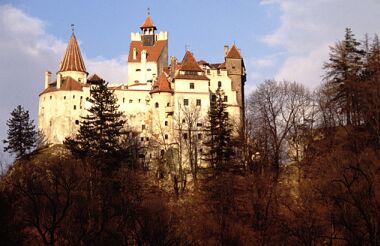
Ooh and on one final note, they absolutely loved killing each other in Transylvania in the 14th century, Vlad Draul III's (Vlad the Impaler) older brother was buried alive. It sounds like they were all (well maybe not quite) as bad as each other. :S
Subscribe to:
Posts (Atom)